
Our Classes
2 DAYS A WEEK
2.5 to 3-year-olds
$290/mo
TUE & THUR
9:00 a.m. – 12:00 p.m.
This two-day class is for first-time preschoolers who are 2 years old by January 31 and toilet trained. Parents with younger 3-year-olds may also choose this class.
3 DAYS A WEEK
3-year-olds
$345/mo
MON + WED + FRI
9:00 a.m. – 12:00 p.m.
This three-day class is for preschoolers who are 3 years old by August 31.
4 DAYS A WEEK
4-year-olds
$405/mo
MON – THUR
8:30 a.m. – 12:00 p.m.
This class is for children who are 4 years old by August 31.
5 DAYS A WEEK
4-year-olds +
$500/mo
MON – FRI
8:30 a.m. – 12:00 p.m.
This class is for children who are 4 years old by August 31.
KINDERGARTEN
5-year-olds
$625/mo
$675/mo starting June 1, 2026
We are offering a discount price of $625.00 per month for 2026-27 school year until June 1. After June 1 tuition will be $675.00 per month.
MON – THUR
8:45 a.m. – 2:00 p.m.
We are excited to offer full-day classes for children who are 5 years old by August 31.
All children need to be toilet trained!
Payment of one full month’s tuition is due at registration/must be paid before
September 1 (or due at the time of enrollment) which will be applied to May’s tuition;
therefore, no payment is due in May.
Our Meadowlane staff understands the significance of Early Childhood Education. Each teacher incorporates age-appropriate activities designed to make learning enjoyable while effectively addressing developmental benchmarks.
9:00 – 9:15
Morning activity
9:15 – 9:45
Circle Time (pray, sing, calendar, etc.)
9:45 – 10:15
Learning centers & small groups
10:45 – 11:00
Bible
11:00 – 11:15
Snack Break
11:15 – 11:35
Outside Time
11:35 – 12:00
Sharing, story, prayer
Dismissal
Times vary for each class!
8:45 – 9:10
Arrival & soft landing
9:10 – 9:30
Meeting/work
9:30 – 9:45
Read to self/one-on-one
9:45 – 11:00
Literacy block
11:00 – 11:30
Recess
11:30 – 12:00
Lunch
12:00 – 12:30
Calendar time
12:30 – 1:30
Match Block
1:30 – 1:55
Bible/art
2:00
Dismissal
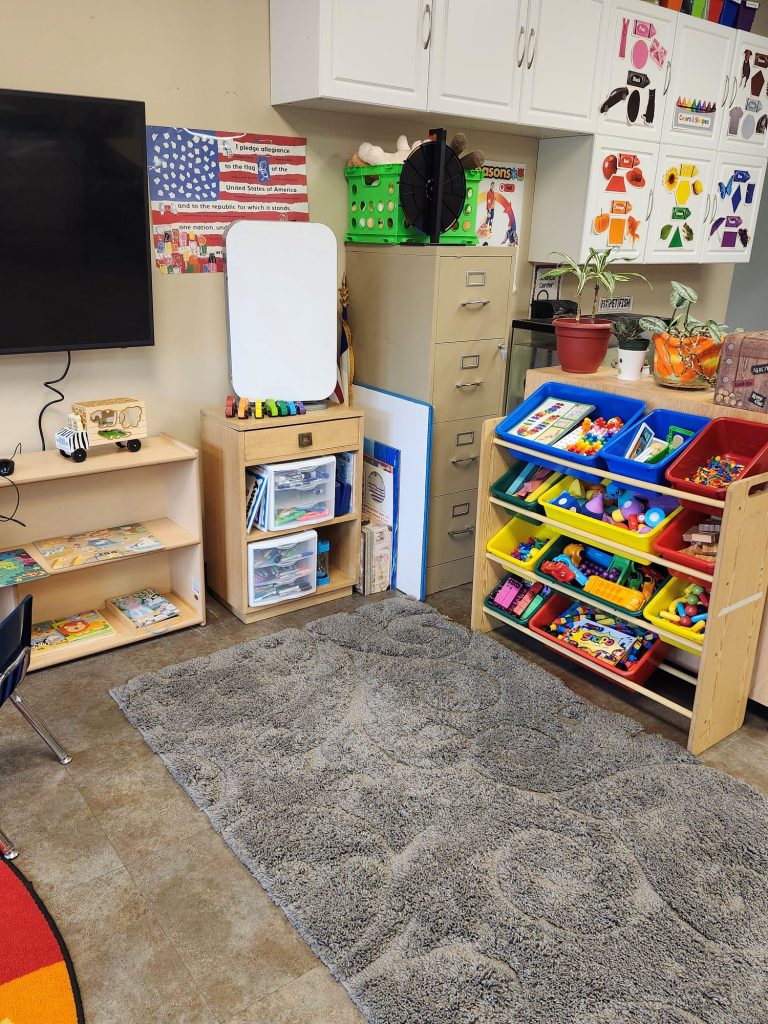
The classrooms are designed to be vibrant and engaging, filled with colorful materials and resources that spark curiosity and creativity. Teachers encourage exploration and play, understanding that these experiences lay the foundation for critical thinking and problem-solving skills. Regular communication with families ensures a supportive partnership, fostering an environment where children feel valued and understood. Through a blend of structured activities and free play, each child is guided on a journey of discovery, developing a love for learning that will last a lifetime.
The Importance of Early Learning in Preschool and Kindergarten — With Small Class Sizes
Early learning in preschool and kindergarten is one of the most critical stages in a child’s development. When this learning takes place in small classes, the benefits increase dramatically, supporting children’s cognitive, emotional, and social growth while giving teachers more opportunities to provide personalized attention.
Enhanced Cognitive Development
- Individualized instruction: In small classes, teachers can tailor lessons to each child’s pace and learning style, helping them grasp concepts more effectively.
- More exploration and creativity: Smaller groups allow for more hands-on learning, problem-solving activities, and experimentation, which strengthen critical thinking skills.
- Better academic foundations: Children in smaller early learning settings often develop stronger language, literacy, and numeracy skills due to constant guided interaction and feedback.
Stronger Teacher–Child Relationships
- Personal connection: Teachers in small classes can truly get to know each child—their strengths, needs, and personality. This builds trust and enhances emotional security.
- Early identification of needs: Educators can more easily spot developmental delays or learning challenges and offer timely support or referrals.
- Positive reinforcement: Frequent, meaningful feedback helps children feel valued and confident in their abilities.
Improved Social and Emotional Development
- Healthy social interactions: With fewer children, it’s easier to guide sharing, cooperation, and conflict resolution in a calm and supportive way.
- Emotional wellbeing: Children feel seen and heard more often, which promotes self-esteem, empathy, and emotional regulation.
- Stronger sense of belonging: Small groups foster a close-knit environment where children feel comfortable expressing themselves.
Greater Engagement and Participation
- More active involvement: Each child has more opportunities to speak, ask questions, and participate in activities.
- Focused attention: Teachers can give one-on-one or small-group support during learning tasks.
- Higher motivation: Children develop a love for learning because they receive attention, encouragement, and praise regularly.
Long-Term Academic and Social Benefits
Research shows that small class sizes in early education can lead to:
- Higher academic achievement in later grades
- Better classroom behavior and engagement
- Stronger problem-solving and collaboration skills
- Increased likelihood of completing higher education
Benefits for Teachers and the Learning Environment
- Less stress, more quality teaching: Teachers in small classes can manage the classroom more effectively and focus on teaching rather than behavior management.
- More creative learning experiences: Smaller groups allow for personalized projects, outdoor learning, and flexible teaching methods that large classes can’t easily sustain.
- Strong partnerships with families: Teachers have more time to communicate with parents about their child’s progress and development.

In Summary
Early learning in preschool and kindergarten sets the stage for lifelong success. When combined with small class sizes, children receive the attention, care, and individualized experiences they need to thrive academically, socially, and emotionally.
Small classes do more than make teaching easier—they create an environment where every child can shine.